Omaha Beach Normandy: History of the D-Day Landings
Omaha Beach Normandy played a critical role in the Allied invasion of France during World War II. The operation began on June 6, 1944—better known as D-Day—when Allied forces launched the largest amphibious assault in history. Before the landings, more than 1,200 aircraft carried out an air attack, followed by an assault supported by over 5,000 ships. Nearly 160,000 troops crossed the English Channel on June 6, and by late August more than two million Allied soldiers were in France.
Omaha Beach Normandy: A Powerful Story of Courage on D-Day
Omaha Beach Normandy played a critical role in the Allied invasion of France during World War II. The operation began on June 6, 1944 better known as D-Day, when Allied forces launched the largest amphibious assault in history. Before the landings, more than 1,200 aircraft carried out an air attack, followed by an assault supported by over 5,000 ships. Nearly 160,000 troops crossed the English Channel on June 6, and by late August more than two million Allied soldiers were in France.
The decision to launch the 1944 Channel crossing was made at the Trident Conference in Washington in May 1943. General Dwight D. Eisenhower was appointed commander of the Supreme Headquarters Allied Expeditionary Force, while General Bernard Montgomery took command of the 21st Army Group, which included all ground forces involved in the invasion.
The Normandy coastline in northwestern France was chosen as the ideal location for Operation Overlord. American troops were assigned to land at the sectors code-named Utah and Omaha Beach, while British forces landed at Sword and Gold, and Canadian forces at Juno. To support the landings, the Allies developed special technology, including two artificial Mulberry harbors and innovative armored vehicles known as Hobart's Funnies.
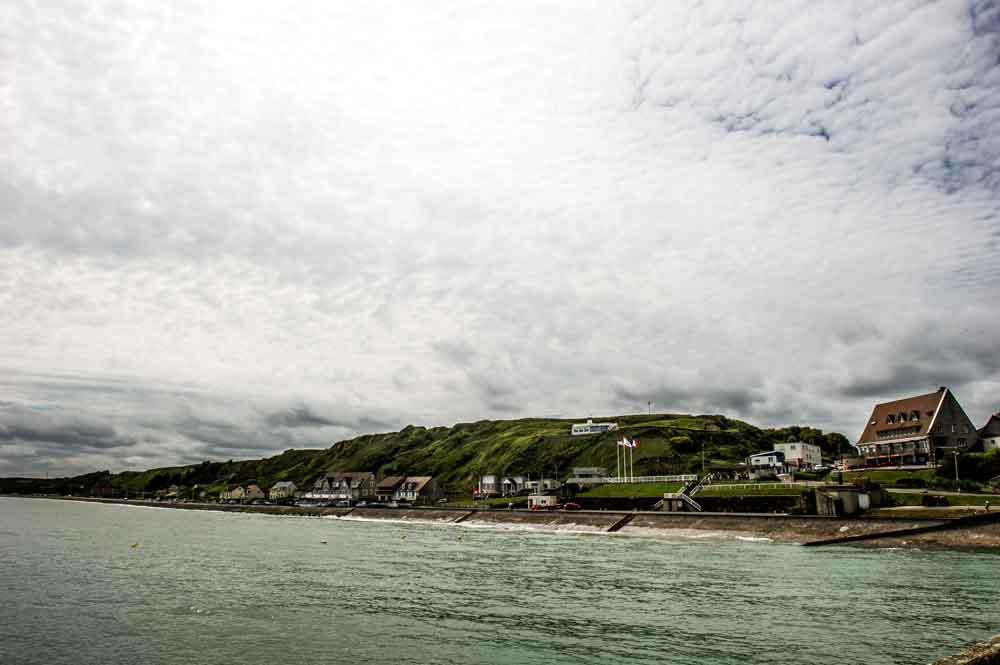
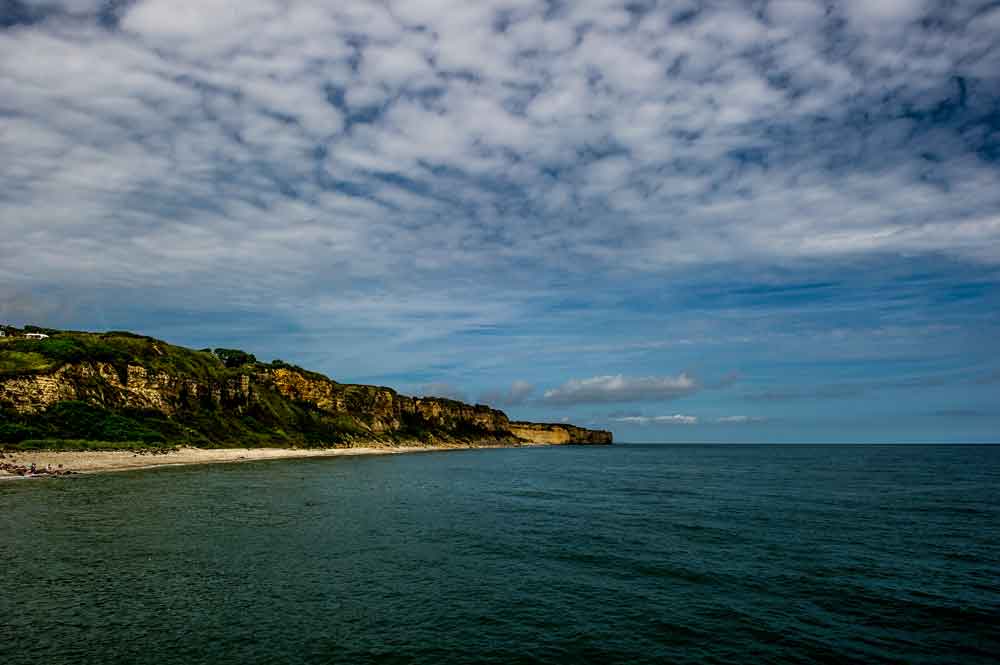
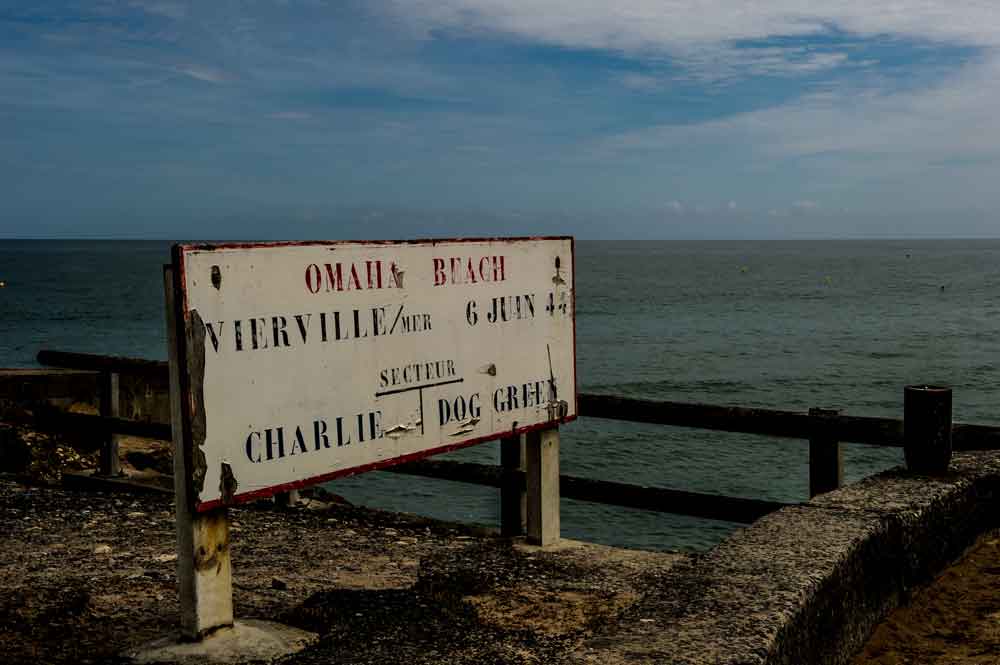
Adolf Hitler ordered Field Marshal Erwin Rommel to strengthen the Atlantic Wall defenses in preparation for an expected Allied invasion. Omaha Beach, one of the five designated landing beaches, covered an eight-kilometer stretch of coastline from Sainte-Honorine-des-Pertes to Vierville-sur-Mer. Securing Omaha was essential to link the British landing at Gold and the American landing at Utah, forming a continuous Allied front along the Normandy coast.
And now
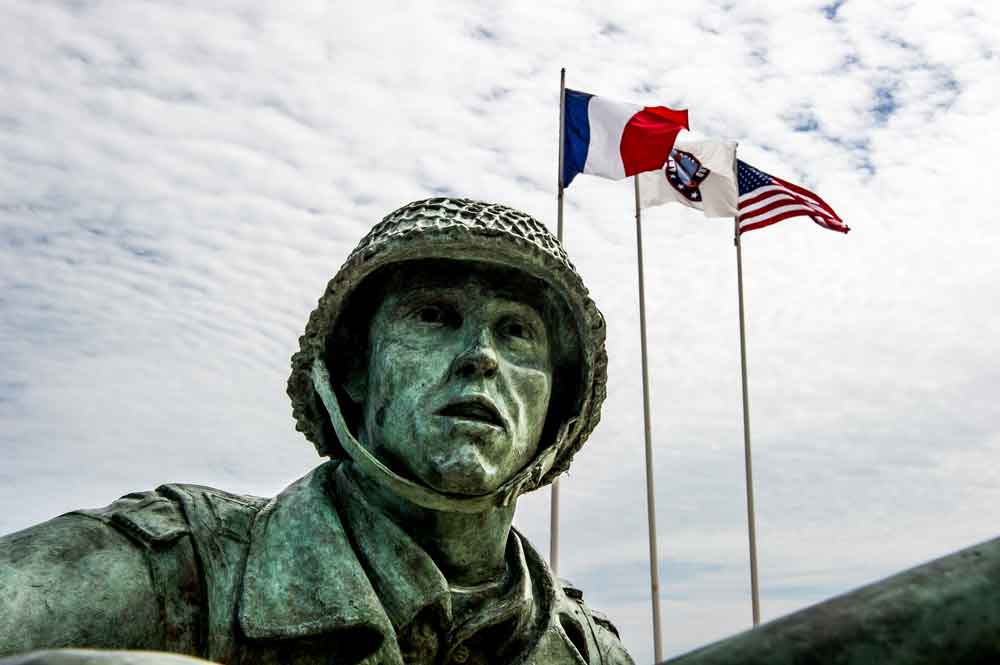
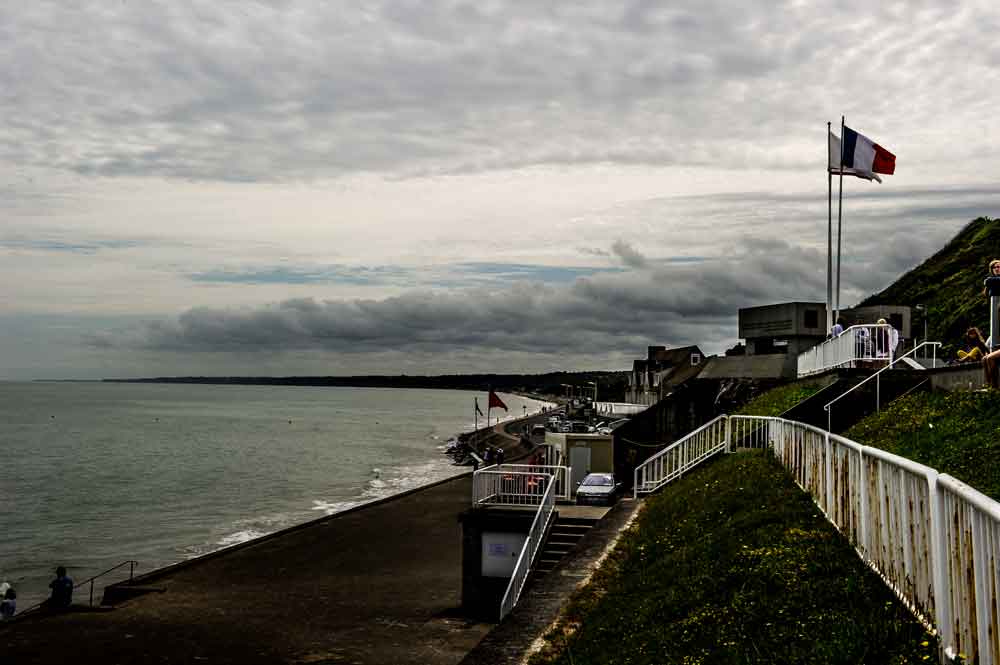
Today, Omaha Beach Normandy stands as a place of remembrance, honoring the courage and sacrifice of the soldiers who changed the course of history on D-Day.Staying in the area? Our two gîtes, Le Petit Gîte and Le Charmant Rigault, are in Graignes, about ten minutes from Carentan.