Dead Mans Corner: Tragic WWII Site in Normandy
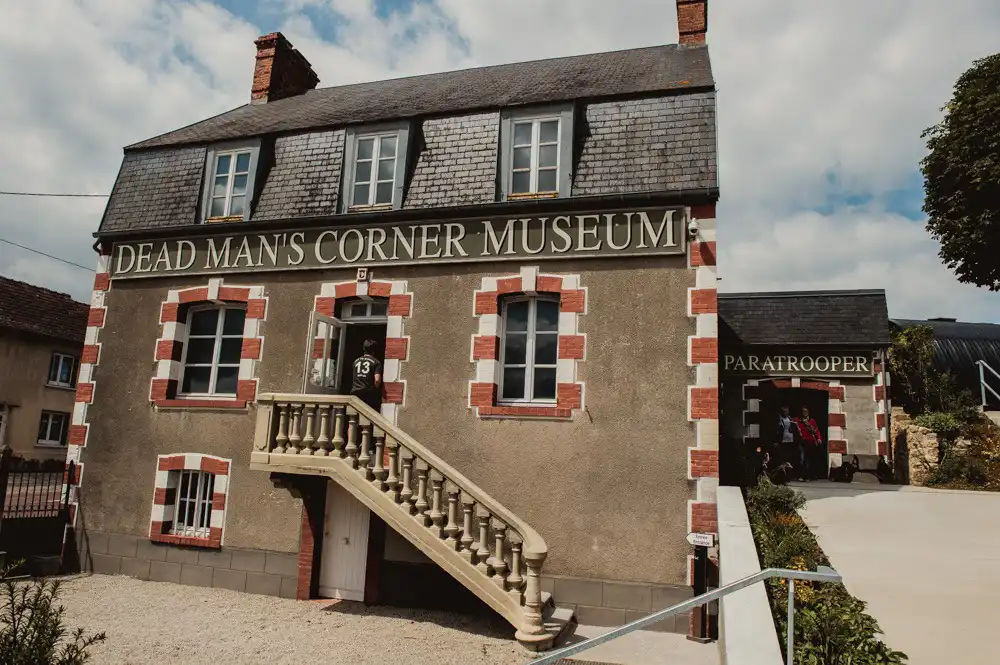
Dead Man’s Corner is an intersection of roads between Saint-Côme-du-Mont and Carentan. This is the spot where a killed American tank commander hung from his tank for days. At this location, there is now a museum.
Dead Man's Corner: Tragic WWII Site in Normandy
Dead Man’s Corner is an intersection of roads between Saint-Côme-du-Mont and Carentan. This is the spot where a killed American tank commander hung from his tank for days. At this location, there is now a museum.
On June 6, 1944, D-Day
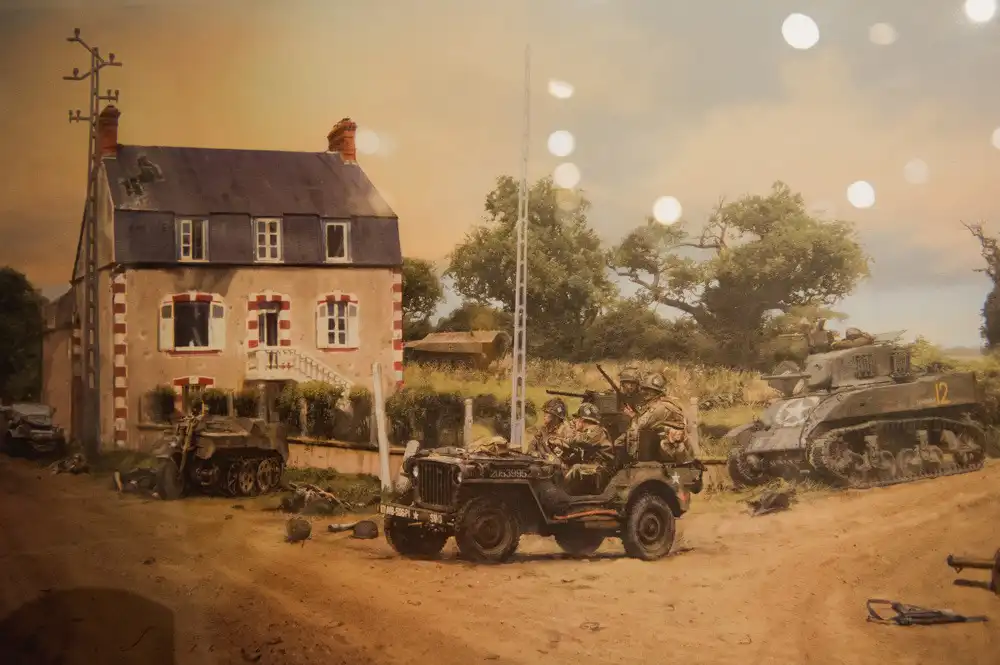
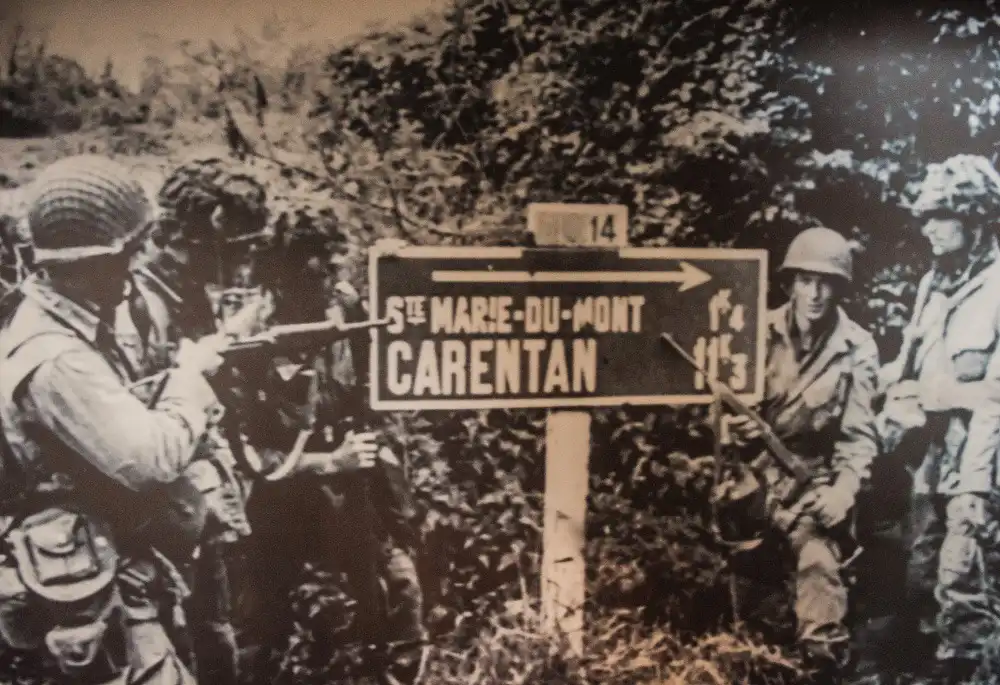
The paratroopers of the 101st Airborne Division landed in Normandy. The main task of the division was to capture the village of Carentan, an important link between Utah Beach and Omaha Beach. They followed the road through Saint-Côme-du-Mont, where they clashed with the Fallschirmjäger, the Green Devils of the 6th Parachute Regiment. After this, the Americans waited for tank support, which would come from Utah Beach. When the first tank entered the intersection on June 8, it was hit and disabled by a German Panzerschreck (bazooka).
The Dead Man's Corner Museum
Mentions that the commander, 1st Lieutenant Walter T. Anderson from Minnesota, was killed and half thrown out of the tank wreck. The body remained hanging like that for days, so this intersection – about four kilometers north of Carentan – was referred to by soldiers as “The corner with the dead man in the tank,” later shortened to “Dead Man’s Corner”. The intersection was a T-junction, although a small road is still visible on today’s maps. The main road, the current D913, runs from Utah Beach to Carentan. The third road is the N13, the road to Saint-Côme-du-Mont.
At Dead Man’s Corner
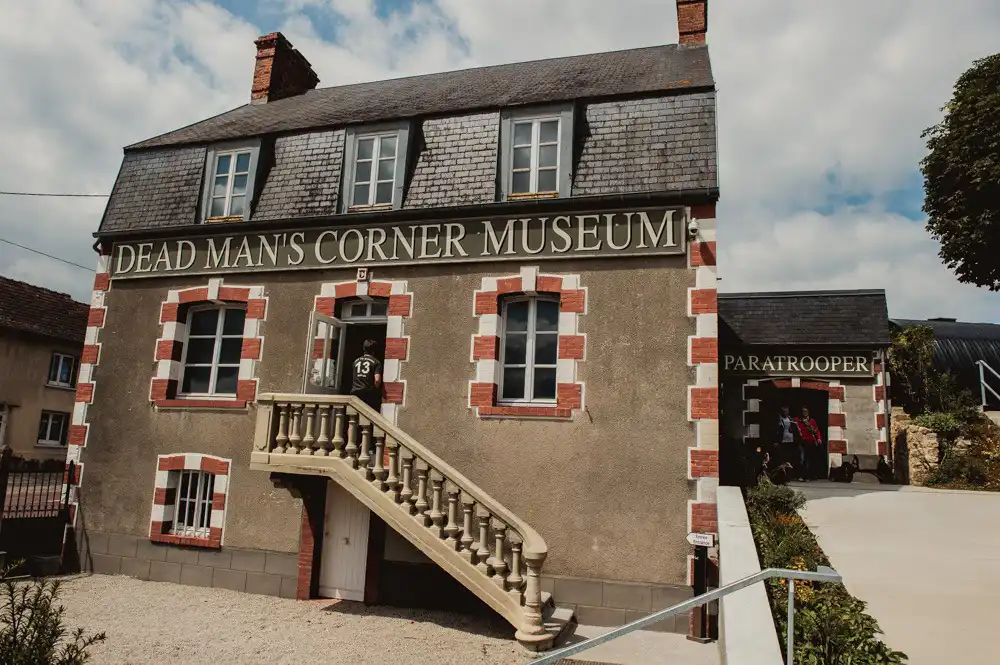
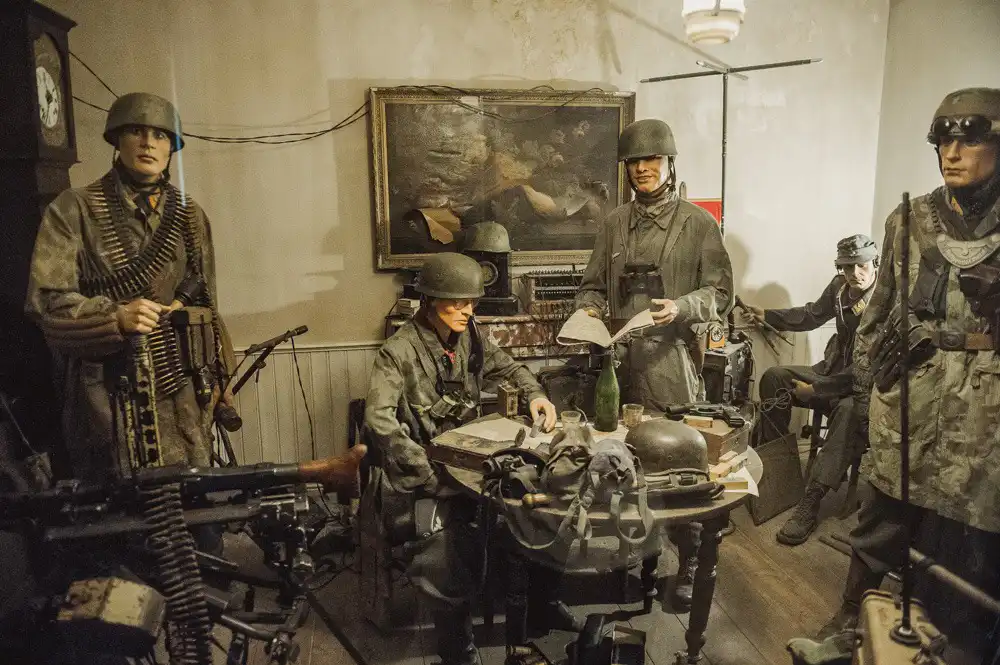
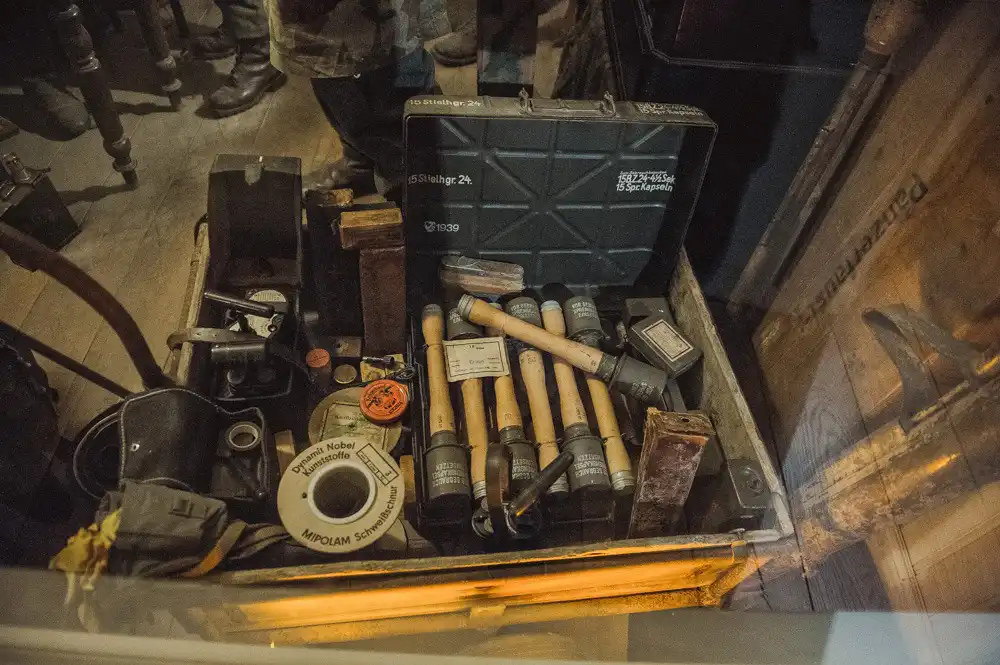
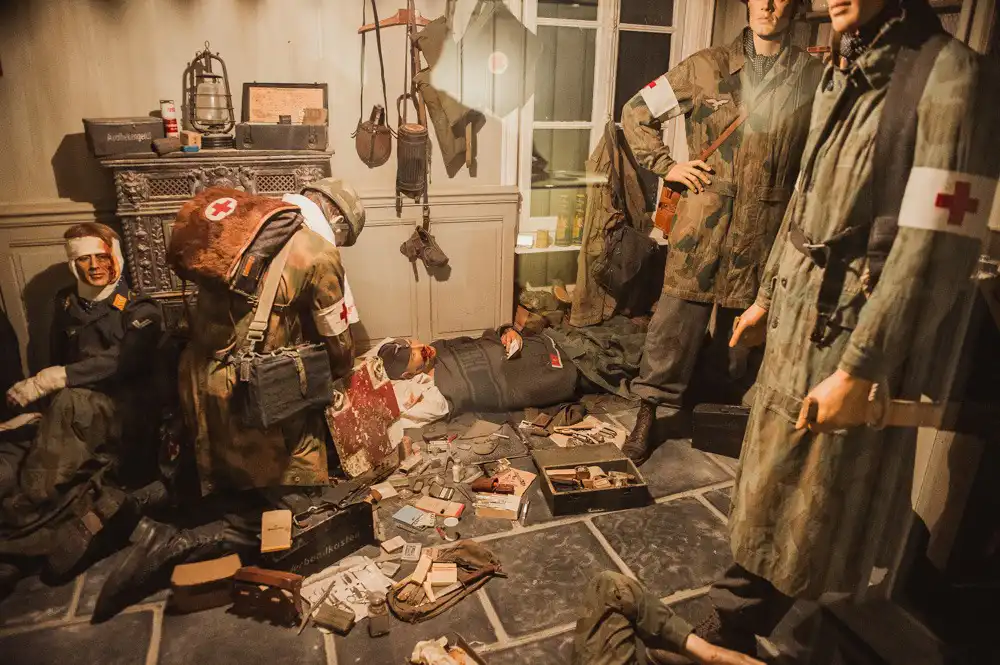
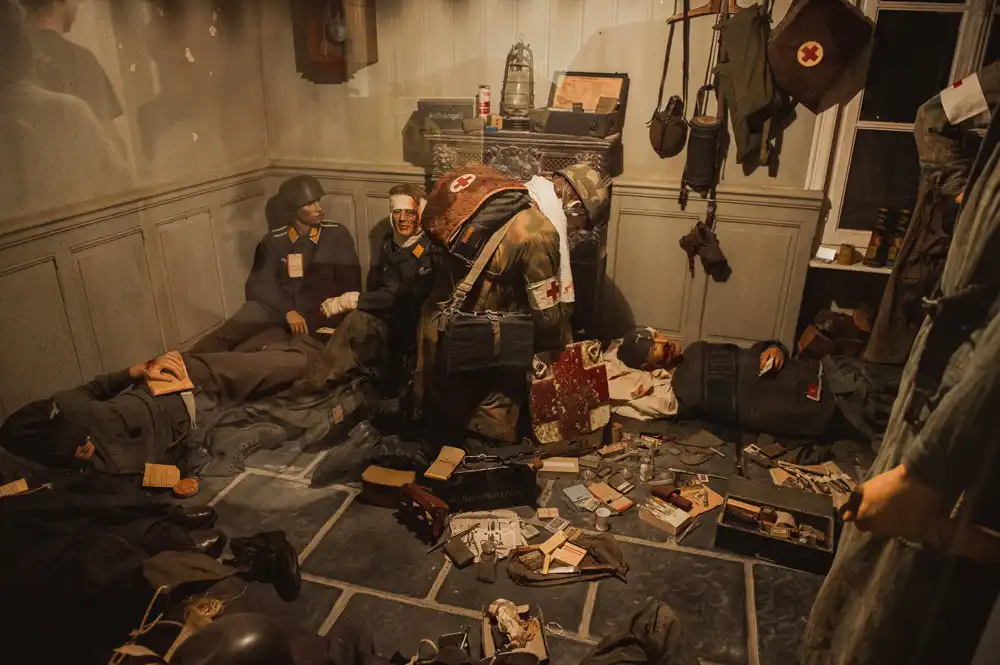
There was and is exactly one house, now owned by the Historical Center of Carentan. Used by the commander of the 6th Parachute Regiment, Colonel Freiherr von der Heydte, the Americans set up a medical aid station there, which now houses the Dead Man’s Corner Museum. This museum has a collection of original American and German artifacts related to the location. It also houses a store where counterfeit and original items can be purchased.
Dead Man’s Corner Museum 📍 Address: 2 Village de l’Amont, 50500 Saint-Côme-du-Mont / Carentan-les-Marais, France 🌐 Website: https://dday-experience.com/en/dead-mans-corner-museum/ 📞 Phone: +33 2 33 23 61 95Staying in the area? Our two gîtes, Le Petit Gîte and Le Charmant Rigault, are in Graignes, about ten minutes from Carentan.